how to use retinol in skincare routine – !– wp:paragraph –>
Are you ready to transform your skin but unsure where to start? Retinol might be the secret ingredient you’ve been missing.
Using retinol in your skincare routine can help reduce fine lines, clear acne, and brighten your complexion. But if you’re worried about irritation or don’t know how to add it in, you’re not alone. This guide will show you exactly how to use retinol safely and effectively, so you can enjoy glowing, healthier skin without the guesswork.
Keep reading to discover simple tips that will make retinol work for you.
Benefits Of Retinol
Retinol is a popular ingredient in skincare. It offers many benefits for your skin. It is important to know how retinol can help you.
Here are some ways retinol improves skin health. It targets different skin issues effectively.
Improves Skin Texture
Retinol helps smooth out rough skin. It encourages cell turnover. This process leads to softer skin.
Your skin feels renewed and fresh. Regular use helps maintain this smooth texture.
Reduces Fine Lines And Wrinkles
Retinol stimulates collagen production. Collagen is important for firm skin. It reduces the appearance of fine lines.
With consistent use, wrinkles become less visible. Your skin looks more youthful.
Fights Acne And Breakouts
Retinol unclogs pores and prevents acne. It helps reduce inflammation. This makes it effective against breakouts.
Clearer skin can lead to improved confidence. Many find retinol helpful for this reason.
Evens Skin Tone
Retinol fades dark spots and evens out skin tone. It helps with hyperpigmentation. Your complexion appears more balanced.
Regular use can brighten your skin. It leads to a more radiant appearance.
Choosing The Right Retinol
Retinol is a popular skincare ingredient that helps improve skin texture and reduce wrinkles. Choosing the right retinol product is important for your skin’s health.
Picking the correct strength and type of retinol helps avoid irritation and gives better results. Let’s look at how to choose the best retinol for your routine.
Different Retinol Strengths
Retinol products come in different strengths. The strength shows how much retinol is in the product. This affects how your skin reacts.
Start with a low strength to see how your skin handles it. You can increase strength later if your skin feels good.
- Low strength (0.1% to 0.3%): Good for beginners and sensitive skin
- Medium strength (0.3% to 0.5%): Best for normal skin with some experience
- High strength (0.5% and above): For tolerant skin and experienced users
Retinol Vs Retinoids
Retinol is a type of retinoid, but not all retinoids are retinol. Retinoids include different vitamin A derivatives used in skincare.
Prescription retinoids are stronger and work faster. Retinol is milder and available over the counter. Choose based on your skin’s needs and sensitivity.
- Retinol: Mild, slower results, less irritation
- Retinoids (like tretinoin): Strong, faster results, higher irritation risk
Skin Type Considerations
Your skin type affects how you should use retinol. Dry or sensitive skin needs gentler products. Oily skin can handle stronger retinol.
Always test retinol on a small skin area first. Use moisturizer to reduce dryness and redness caused by retinol.
- Dry skin: Use low strength retinol, add moisturizer
- Sensitive skin: Use retinol less often, choose gentle formulas
- Oily skin: Can try medium to high strength retinol
- Normal skin: Start with medium strength, adjust as needed
How To Start Using Retinol
Retinol is a popular skincare ingredient that helps improve skin texture and tone. Starting with it needs care to avoid irritation.
This guide will help you use retinol safely and effectively in your routine.
Patch Testing
Patch testing checks how your skin reacts to retinol before full use. It helps prevent bad reactions.
Apply a small amount on your inner arm or behind the ear. Wait 24 to 48 hours to see any redness or itching.
Starting With Low Concentration
Begin with a low concentration of retinol, such as 0.25% or 0.3%. This reduces the chance of irritation.
Use it for a few weeks until your skin gets used to it. Then you can slowly increase the strength if needed.
Frequency And Timing
Start by using retinol once or twice a week at night. This gives your skin time to adjust.
Gradually increase to every other night or nightly use if your skin feels comfortable. Avoid using it in the morning.
- Apply retinol on clean, dry skin
- Follow with moisturizer to reduce dryness
- Use sunscreen daily to protect your skin
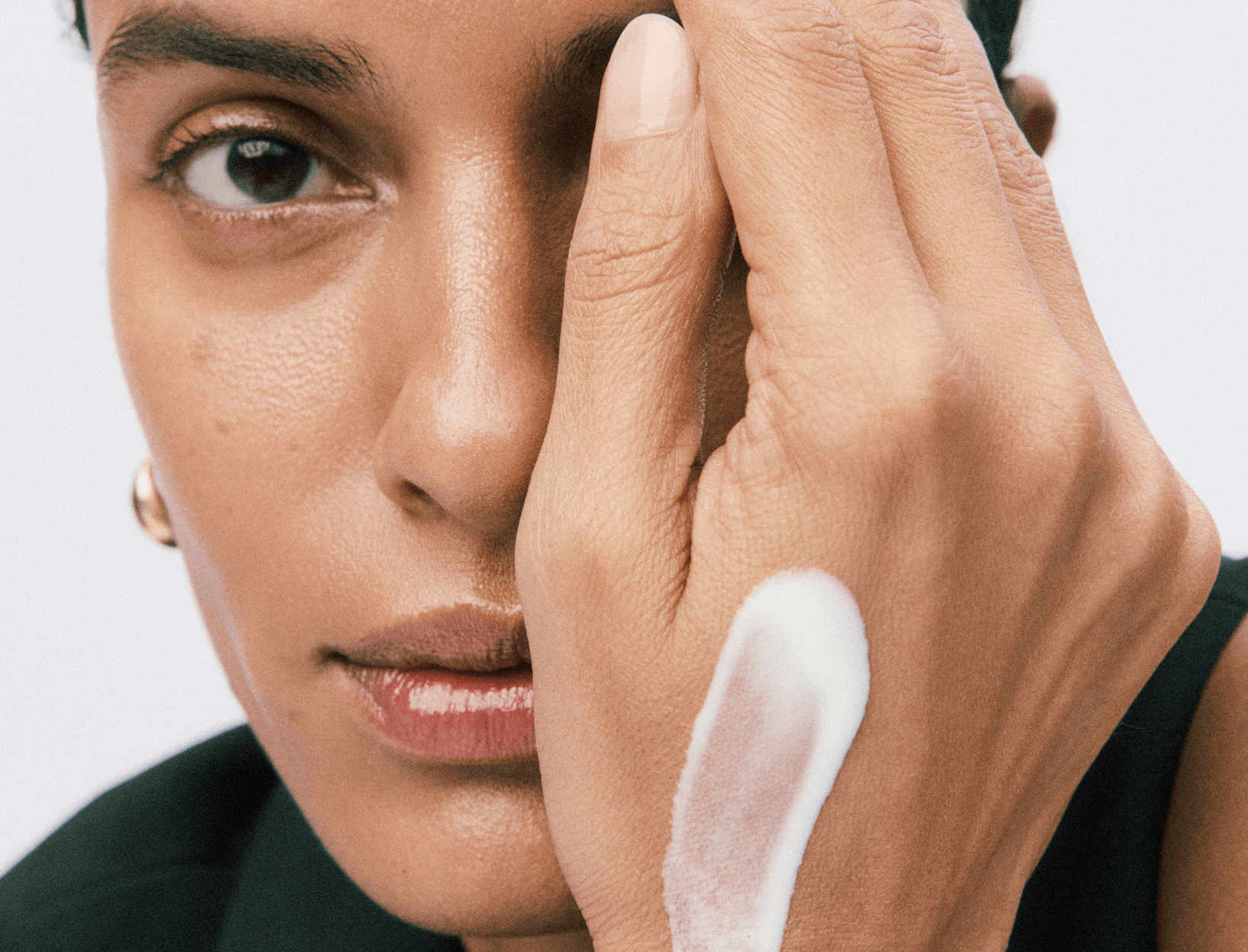
Credit: goop.com
Incorporating Retinol Into Your Routine
Retinol is a popular skincare ingredient that helps improve skin texture and reduce wrinkles. Adding it to your routine needs care to avoid irritation.
Follow simple steps to use retinol safely and get the best results for your skin.
Cleansing Before Retinol
Start with a clean face before applying retinol. Use a gentle cleanser to remove dirt and oil. This helps retinol work better and reduces skin irritation.
Pat your skin dry with a soft towel. Avoid rubbing, as wet skin can be more sensitive to retinol.
Applying Retinol Correctly
Use a small amount of retinol, about a pea size, for your whole face. Apply it evenly, avoiding the eye area and lips. Start with a low concentration if you are new to retinol.
Apply retinol at night only, since sunlight can make it less effective and increase skin sensitivity.
- Start with 1-2 times a week
- Increase use slowly as skin adjusts
- Do not mix with strong acids or exfoliants
Moisturizing After Retinol
After retinol, apply a gentle moisturizer to soothe the skin. Moisturizers help reduce dryness and flaking caused by retinol.
Choose a moisturizer without fragrances or harsh ingredients. This keeps your skin calm and hydrated.
- Wait a few minutes after retinol before moisturizing
- Use moisturizer every time you apply retinol
- Consider adding sunscreen during the day
Dealing With Retinol Side Effects
Retinol is a popular skincare ingredient for clearer, smoother skin. It can cause side effects at first. Knowing how to handle these effects helps you keep using retinol safely.
This guide explains common reactions to retinol. You will learn how to manage dryness and peeling. It also tells you when to see a dermatologist for help.
Common Reactions
Some people experience redness, irritation, or burning after using retinol. These are normal reactions as your skin adjusts. Mild peeling and dryness can also happen.
These reactions usually improve after a few weeks. Your skin gets used to retinol over time. Start slowly to reduce side effects.
Managing Dryness And Peeling
Dry skin and peeling are common when using retinol. Use a gentle moisturizer to help your skin stay hydrated. Apply moisturizer after retinol to lock in moisture.
Reduce how often you use retinol if your skin feels too dry or peels a lot. Try every other night or every third night. Avoid harsh scrubs or strong cleansers that can worsen dryness.
- Use a mild, hydrating moisturizer daily
- Apply retinol at night only
- Skip retinol on days your skin peels a lot
- Use a gentle cleanser without alcohol
- Wear sunscreen daily to protect sensitive skin
When To Consult A Dermatologist
See a dermatologist if side effects are severe or last more than a few weeks. Intense redness, swelling, or pain need medical advice. A doctor can suggest safer use or other treatments.
Also consult a dermatologist if you have an allergic reaction. Signs include itching, rash, or blistering. Stop using retinol and get professional help in these cases.
Retinol And Sun Protection
Retinol helps improve skin by reducing wrinkles and acne. It makes skin sensitive to sunlight.
Sun protection is very important when using retinol. It keeps your skin safe and healthy.
Importance Of Sunscreen
Sunscreen protects your skin from harmful UV rays. Retinol makes skin thin and more fragile.
Without sunscreen, UV rays can cause sunburn and damage. This can lead to dark spots and aging.
Choosing The Right Spf
Pick a sunscreen with SPF 30 or higher. It blocks most UVB rays that cause sunburn.
Use broad-spectrum sunscreen to protect against UVA and UVB rays. Both can harm your skin.
- SPF 30 blocks about 97% of UVB rays
- SPF 50 blocks about 98% of UVB rays
- Broad-spectrum means UVA and UVB protection
Sun Exposure Tips
Limit time in the sun, especially from 10 a.m. to 4 p.m. when rays are strongest.
Wear hats, sunglasses, and protective clothing to reduce sun exposure. Reapply sunscreen every two hours.
- Apply sunscreen 15 minutes before going outside
- Reapply after swimming or sweating
- Stay in shade when possible
Retinol Myths And Facts
Retinol is a popular skincare ingredient. Many people have questions and wrong ideas about it.
This article clears up common myths and shows safe ways to use retinol in your routine.
Debunking Common Misconceptions
Some believe retinol causes permanent skin damage. This is not true. Retinol helps skin renew itself.
Another myth is retinol works instantly. It takes weeks to see changes. Patience is important.
- Retinol does not thin your skin. It makes skin stronger.
- It is not only for older people. Everyone can benefit from it.
- Retinol can cause mild irritation at first. This is normal and temporary.
Safe Usage Practices
Start using retinol slowly. Begin with a small amount once or twice a week. Increase use over time.
Apply retinol at night. It can make your skin sensitive to sunlight.
- Use a pea-sized amount for your entire face.
- Wait for your skin to dry before applying retinol.
- Always use sunscreen during the day.
- Moisturize well to reduce dryness and irritation.
- Avoid combining retinol with strong acids or exfoliants.
Credit: www.lemon8-app.com
Boosting Retinol Results
Retinol is a strong ingredient for healthy skin. Using it right helps you see better results.
Adding the right steps to your routine can boost how retinol works on your skin.
Complementary Skincare Ingredients
Some ingredients work well with retinol. They help your skin stay calm and hydrated.
- Hyaluronic acid adds moisture and keeps skin soft.
- Niacinamide reduces redness and soothes irritation.
- Peptides help repair skin and improve texture.
- Vitamin C brightens skin and protects from damage.
- Gentle cleansers keep skin clean without drying it out.
Lifestyle Tips For Glowing Skin
Good habits improve how your skin looks with retinol. Healthy choices support your skin’s health.
- Wear sunscreen daily to protect your skin.
- Get enough sleep to help skin repair itself.
- Drink water to keep your skin hydrated.
- Eat fruits and vegetables for vitamins and minerals.
- Avoid smoking and limit alcohol for better skin.

Credit: www.lakinza.ca
Frequently Asked Questions
What Is The Best Way To Introduce Retinol In Skincare?
Start with a low concentration retinol product. Use it 2-3 times weekly at night. Gradually increase frequency as skin builds tolerance.
Can Retinol Cause Skin Irritation Initially?
Yes, retinol may cause dryness and redness at first. Use a moisturizer and reduce application frequency if irritation occurs.
How Long Does Retinol Take To Show Results?
Visible improvements usually appear after 4-6 weeks. Consistent use over 3 months enhances skin texture and reduces wrinkles.
Should Retinol Be Used With Other Skincare Products?
Avoid combining retinol with exfoliants or vitamin C. Use gentle cleansers and moisturizers to support retinol’s effectiveness and minimize irritation.
Conclusion
Retinol can improve your skin with regular use. Start slowly to avoid irritation or dryness. Apply it at night and always use sunscreen during the day. Pair retinol with gentle cleansers and moisturizers for best results. Patience is key; visible changes take weeks to appear.
Listen to your skin and adjust your routine as needed. This simple step can boost your skincare routine effectively. Give your skin time to adapt and enjoy the benefits.